Think Big: A Bold Embroidery Design
As an embroidery designer and product reviewer, I’ve seen my fair share of designs—some that feel like a perfect fit for real projects, and others that fall short in practical use. Think Big is one that stands out for its clear visual identity and versatility, but it’s not without its considerations. Let me walk through how this design performs in real-life embroidery scenarios and what you need to know before using it in your next project.
The First Impression: A Design That Commands Attention
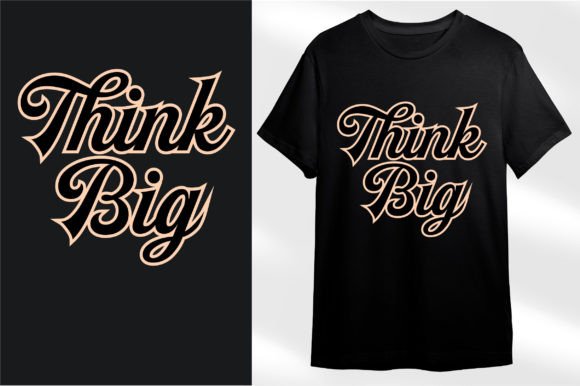
From the moment you open the ZIP folder containing Think Big, you’re greeted with a design that feels confident and purposeful. The size—18 feet by 15 feet—suggests a bold, large-scale application, which makes sense for t-shirts and other apparel. The layout is clean, with a strong central motif that doesn’t get lost in the space. It has a modern, slightly edgy vibe that could work well for both casual and more statement-driven projects.
The detail level is high enough to be visually engaging but not so intricate that it becomes overwhelming. This makes Think Big a good candidate for designs that need to stand out on larger surfaces like tote bags or sweatshirts. Its visual personality leans toward being a focal point rather than a background element, which means it’s best suited for projects where the design is meant to be the star.
Real-Life Use Cases: Where Think Big Shines
Imagine you’re preparing a custom embroidered tote bag for a small shop. Think Big would make a strong statement on the front, especially if you’re going for a minimalist, modern aesthetic. The design’s size allows it to fill the space without feeling cramped, and its structure makes it easy to edit if you want to tweak colors or elements for a specific client.
It also works well as a sweatshirt embroidery. The scale is appropriate for a chest or back placement, and the clarity of the design ensures that it won’t lose definition when stitched onto fabric. For baby items, Think Big could be adapted into a patch or applique design, though you’d want to simplify some details for safety and comfort.
On caps or hats, the design might require some adjustment due to the curved surface, but it still holds up well if you use the right hoop size and stabilizer. As a holiday or wedding gift, Think Big could be a great centerpiece for a personalized pillow cover or apron, adding a touch of creativity and personalization.
Where to Be Careful: Limitations and Considerations
While Think Big is versatile, there are a few areas where it might not perform as well. If you’re working with small hoop sizes, you may find that the design doesn’t fit comfortably, requiring you to split it into sections or adjust the layout. This can be time-consuming and may affect the overall look if not done carefully.
Textured fabrics or thin, stretchy materials can also pose challenges. Think Big’s detail level might not show up clearly on these surfaces, and the stitch density could cause puckering or distortion. Dark fabrics might also require a different approach, such as using white thread or adjusting the design for better contrast.
If you’re planning to use Think Big on a layered garment or something with curved surfaces, like a cap, you’ll need to test it first. The design’s corners and edges might not hold up as well on these types of surfaces, and the stitching could become uneven or distorted.
Impact on Visual Appeal and Customer Perception
When it comes to visual appeal, Think Big delivers. Its boldness and clarity make it stand out on any fabric, which can increase the perceived value of your finished product. Customers often associate well-executed embroidery with quality, and a design like Think Big can help reinforce that perception.
For handmade products or personalized gifts, Think Big adds a professional touch that can elevate your brand. Whether you’re selling on Etsy or at a craft fair, the design’s confidence and clarity can make your offerings more attractive to buyers looking for unique, high-quality items.
Brand consistency is another area where Think Big can be beneficial. If you’re running a small business or boutique, having a design that fits your style and messaging can help create a cohesive look across your product line. It also enhances recognition, making your work more memorable to customers.
Practical Designer Notes: Tips for Using Think Big
Before jumping into your project, I recommend testing Think Big on scrap fabric. This will help you see how the design looks in real life and identify any potential issues with stitch density or fabric compatibility. You should also check the thread color contrast to ensure the design stands out on your chosen fabric.
Reviewing the stitch density is important too. If the design is too dense, it might cause problems with fabric stretching or pilling. Make sure your hoop size is appropriate for the design’s dimensions, and inspect small details like lettering or decorative accents to ensure they’re clear and readable.
Testing Think Big in black and white mockups can help you see how it looks on different backgrounds. Comparing it on light and dark fabrics will give you a better idea of how it will appear in various settings. Using the right stabilizer is also crucial, especially for delicate or stretchy fabrics.
Finally, always confirm whether Think Big is suitable for both personal and commercial use. If you plan to sell finished items or digital products, double-check the licensing terms to avoid any legal issues down the line.
Final Thoughts: Think Big Is a Strong Choice for the Right Project
Overall, Think Big is a solid machine embroidery design that offers a lot of potential for creative applications. Its boldness and clarity make it ideal for projects where the design is meant to be the focal point. However, it’s not a one-size-fits-all solution, and careful consideration is needed for certain materials and applications.
If you’re an embroidery designer, small business owner, or craft seller, Think Big can be a valuable addition to your design assets. Just remember to test it thoroughly, adapt it as needed, and use it in ways that highlight its strengths. With the right approach, it can become a standout piece in your portfolio or product lineup.